Wake Up With a Dry Mouth? What Your Saliva Is Trying to Tell You About Your Teeth
Have you ever woken up with a sticky mouth, a sore throat, bad breath, or a strange taste—even after brushing the night before?
Occasional morning dryness is common. But if you regularly wake up feeling thirsty or uncomfortable, your mouth may be telling you something worth paying attention to.
Saliva does much more than keep your mouth comfortable. It helps wash away food particles, neutralize acids, protect tooth enamel, and support healthy gums. When saliva production decreases, your risk of cavities, sensitivity, gum irritation, and mouth sores may increase.
Why Is Your Mouth Dry When You Wake Up?
1. You may be breathing through your mouth
Nasal congestion, allergies, snoring, or certain sleep-related breathing issues can cause you to sleep with your mouth open. Air moving through the mouth for several hours can dry out your lips, tongue, gums, and throat.
You may also notice morning bad breath, a coated tongue, or a scratchy throat. Mouth breathing does not always indicate a serious condition, but persistent symptoms are worth discussing with a healthcare professional or dentist in Thornton, CO.
2. Your medications may be reducing saliva
Dry mouth is a common side effect of many prescription and over-the-counter medications, including some antihistamines, decongestants, pain relievers, antidepressants, blood-pressure medications, and diuretics.
Never stop or change a medication without speaking with your prescribing physician. However, it is important to tell your dental team about every medication and supplement you take. This information can help your dentist recommend appropriate ways to protect your teeth.
3. You may be dehydrated
Not drinking enough water during the day can make nighttime dryness more noticeable. Caffeine and alcohol may also contribute to dehydration or make dry-mouth symptoms feel worse for some people.
If your mouth feels dry, try sipping water regularly throughout the day. Water is generally a better choice for your teeth than soda, sports drinks, juice, or sweetened coffee.
4. Your saliva naturally decreases during sleep
Saliva production tends to slow while you sleep. That is one reason many people experience some degree of morning breath.
For most people, the mouth becomes comfortable again after drinking water and completing their morning oral-care routine. If dryness continues throughout the day, causes difficulty swallowing or speaking, or keeps returning, schedule an evaluation with a dental professional.
5. An underlying health condition may be involved
Persistent dry mouth can sometimes be connected to conditions such as diabetes, autoimmune disorders, salivary-gland problems, or other health concerns. Dry mouth alone does not identify the cause, so it is important not to self-diagnose.
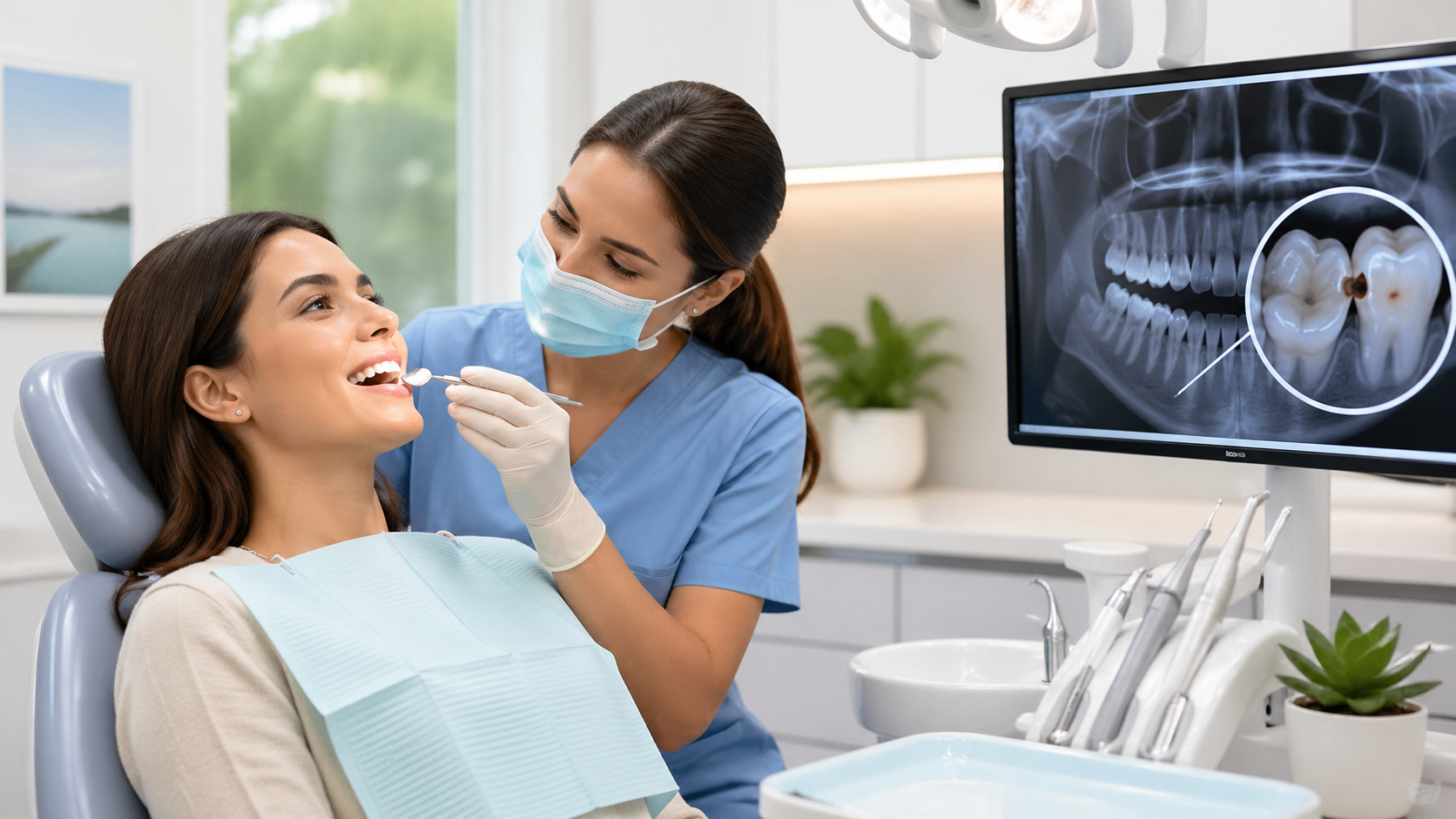
A dental examination can help identify signs of reduced saliva flow, enamel damage, cavities, gum inflammation, or oral infections. Your dentist may also recommend speaking with your physician if your symptoms suggest a broader health issue.
How Can Dry Mouth Affect Your Teeth?
Saliva is one of your mouth’s natural defenses. It helps neutralize acids created by oral bacteria and clears away food particles.
When there is not enough saliva, you may be more likely to experience:
- Tooth decay, especially near the gumline
- Increased tooth sensitivity
- Bad breath
- Plaque buildup
- Gum irritation or disease
- Cracked lips or mouth sores
- Difficulty chewing, swallowing, or speaking
- Oral yeast infections
This is why dry mouth should not be dismissed as merely uncomfortable. If symptoms are frequent, preventive dentistry in Thornton, CO can help identify problems early and create a plan to protect your smile.
What Can You Do at Home?
A few everyday habits may help relieve mild dry-mouth symptoms and reduce the risk of tooth damage:
- Drink water regularly throughout the day.
- Chew sugar-free gum to help stimulate saliva.
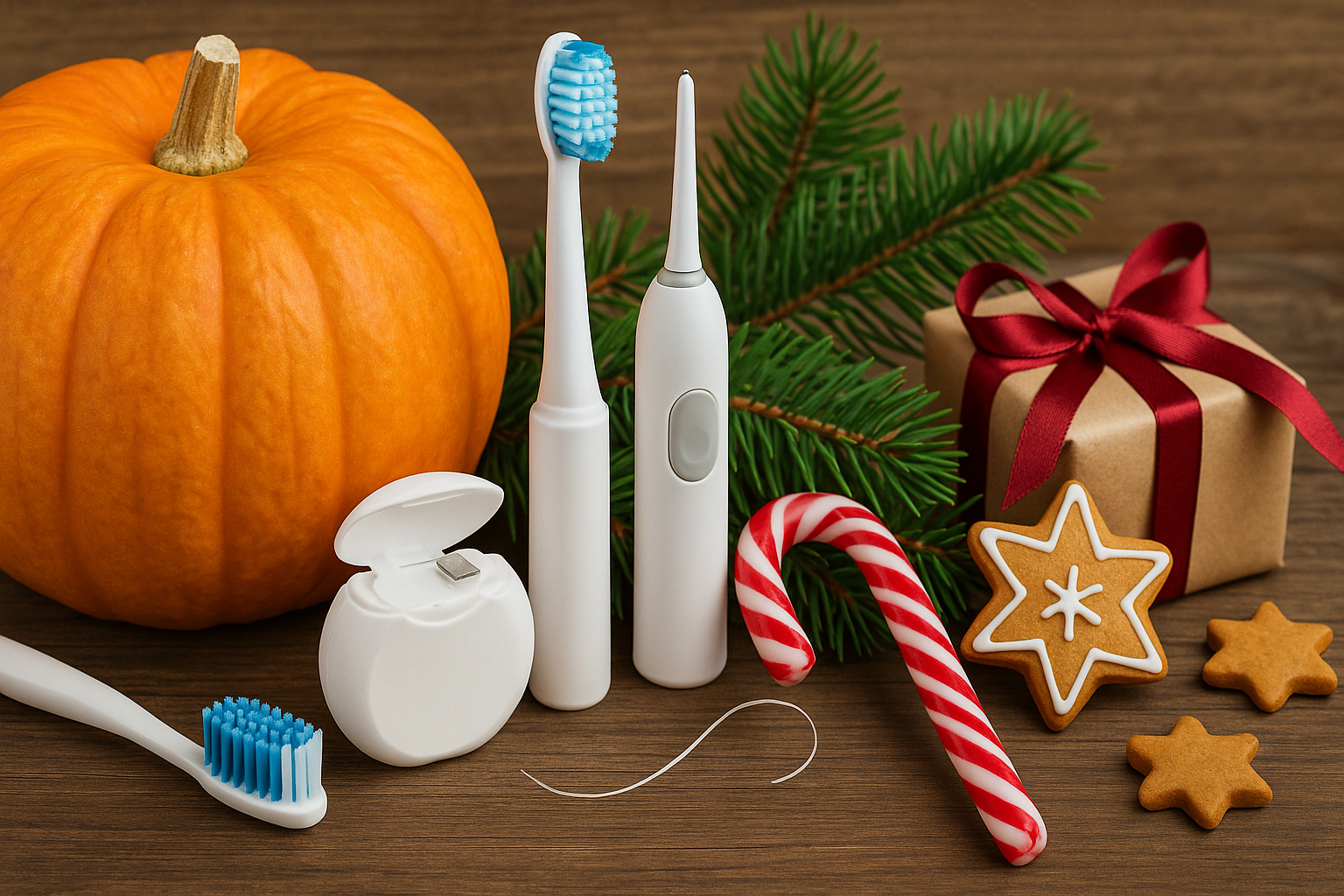
- Brush twice daily with fluoride toothpaste.
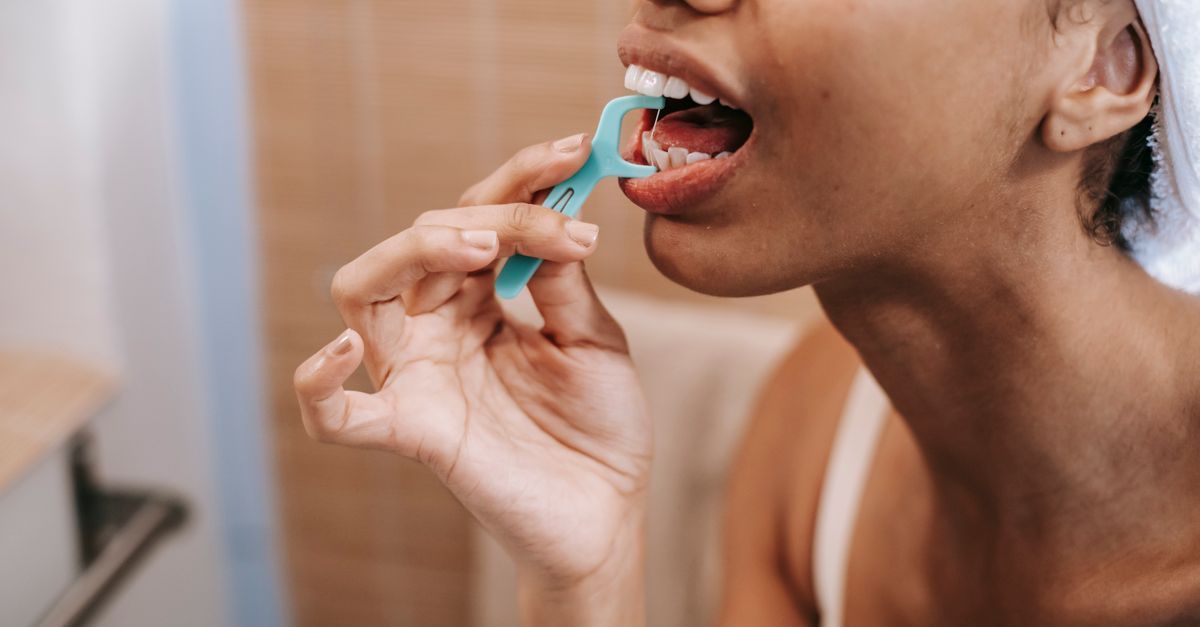
- Floss or clean between your teeth every day.
- Limit sugary and acidic drinks.
- Avoid alcohol-containing mouthwash if it worsens dryness.
- Use a humidifier in your bedroom if the air is dry.
- Ask your dentist whether a fluoride treatment or prescription-strength fluoride product may be appropriate.
- Keep a list of your medications and share it during dental visits.
If dry mouth is caused by medication or another medical condition, your dentist and physician can work together to recommend the safest approach.
When Should You See a Dentist?
Consider scheduling dental exams in Thornton, CO if your dry mouth:
- Happens most nights
- Continues during the day
- Causes frequent cavities or sensitivity
- Makes chewing, swallowing, or speaking difficult
- Comes with persistent bad breath or a burning sensation
- Is accompanied by mouth sores, swelling, or white patches
- Began after starting a new medication
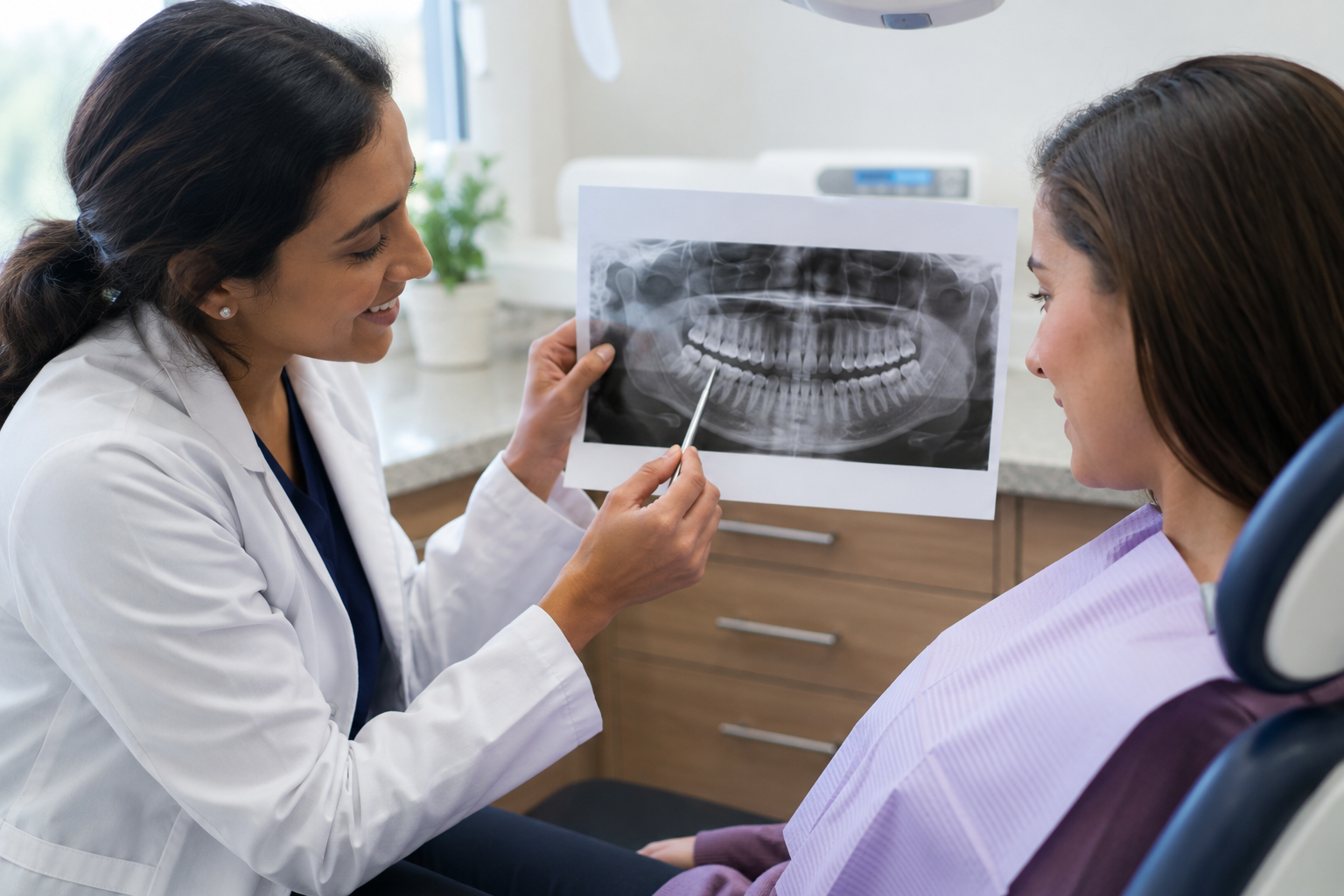
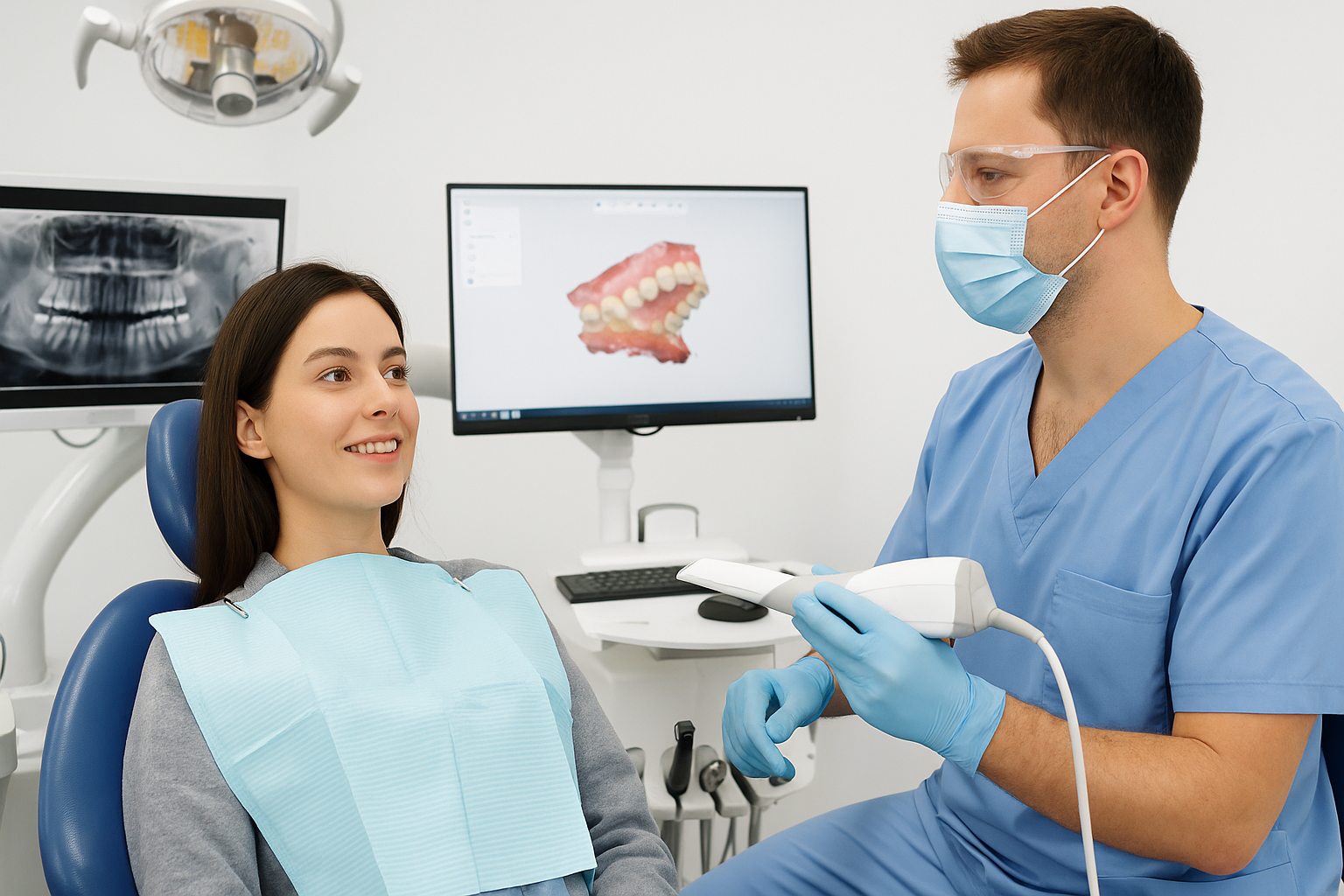
During an exam, your dental team can check your teeth, gums, oral tissues, and saliva-related symptoms. Early care may help prevent a small problem from becoming more uncomfortable or expensive to treat.
A Comfortable Dental Visit Starts With a Conversation
If dental visits make you nervous, let your team know. Valley View Dental offers a welcoming environment and sedation dentistry in Thornton, CO for eligible patients who need additional help feeling relaxed during care.
Whether you need a routine cleaning, help managing dry-mouth symptoms, or a personalized preventive-care plan, Valley View Dental in Thornton, Colorado is here to help protect your oral health.
If you regularly wake up with a dry mouth, do not ignore what your saliva may be telling you. Contact Valley View Dental at (303) 254-4484 to schedule an appointment at 9351 Grant Street #340, Thornton, CO 80229.