Your Teeth Are Aging Faster Than You Are: 9 Everyday Habits That Secretly Wear Them Down
Most people assume their teeth simply age along with the rest of their body. While some natural wear is inevitable, your daily habits often have a much bigger impact than your birthday. In fact, seemingly harmless routines can gradually weaken enamel, increase tooth sensitivity, and lead to chips, cracks, and costly dental treatments over time.
The good news? Many of these habits are easy to change once you recognize them. By making a few simple adjustments, you can help keep your smile stronger, healthier, and brighter for years to come.
Here are nine everyday habits that may be aging your teeth faster than you realize.
1. Chewing Ice Isn't as Harmless as It Seems
Crunching on ice may feel satisfying, especially after finishing a cold drink, but it's surprisingly tough on your teeth. Ice is hard enough to create tiny fractures in tooth enamel, which can eventually develop into visible chips or cracks.
If you regularly chew ice, consider switching to sugar-free gum or crunchy vegetables to satisfy the urge without risking damage.
2. Brushing Too Hard Can Wear Away Enamel
Many people believe brushing harder means cleaning better. Unfortunately, the opposite is often true.
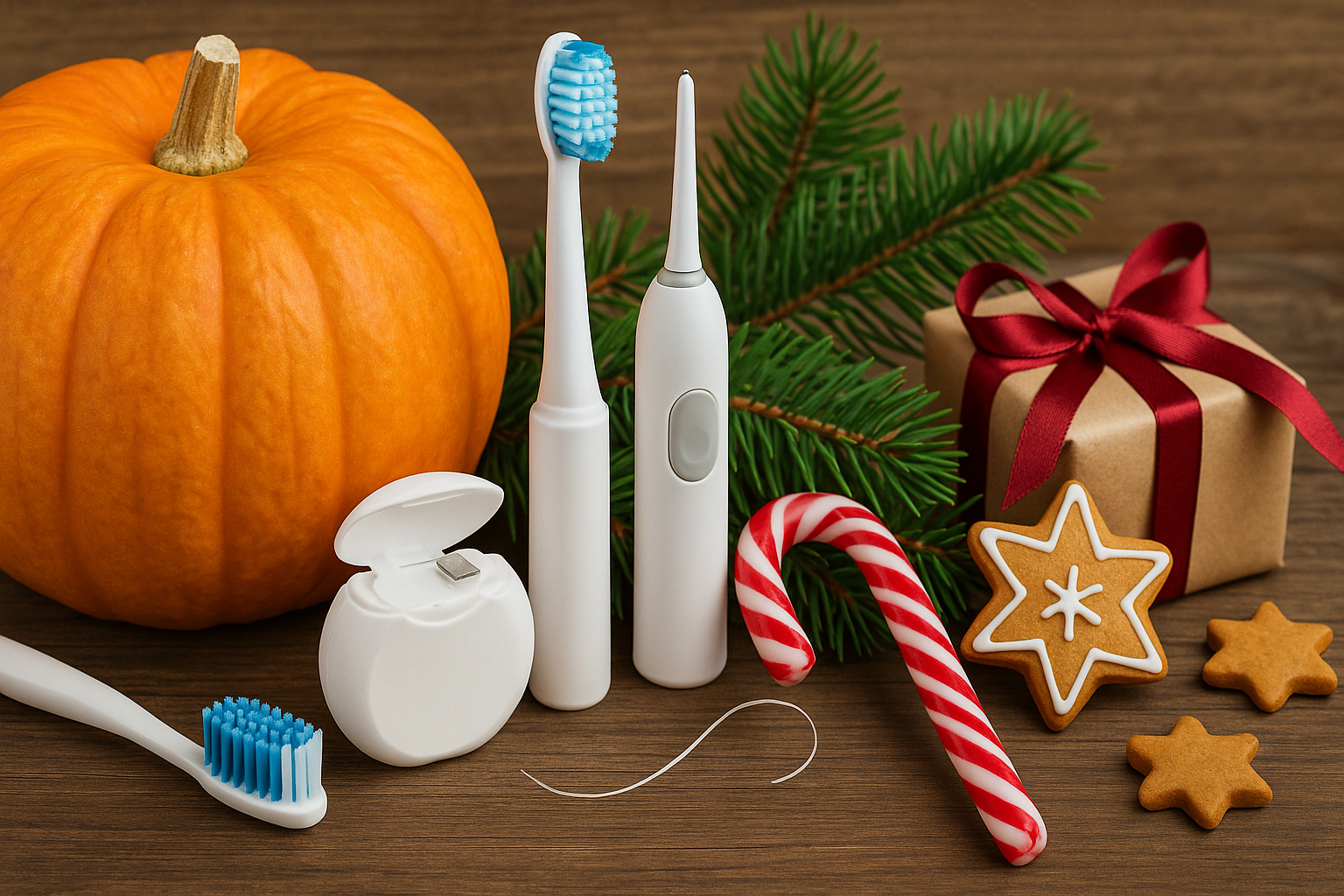
Using excessive force or a hard-bristled toothbrush can gradually wear down enamel and cause gum recession, exposing the sensitive roots of your teeth. Instead, use a soft-bristled toothbrush with gentle, circular motions for two full minutes.
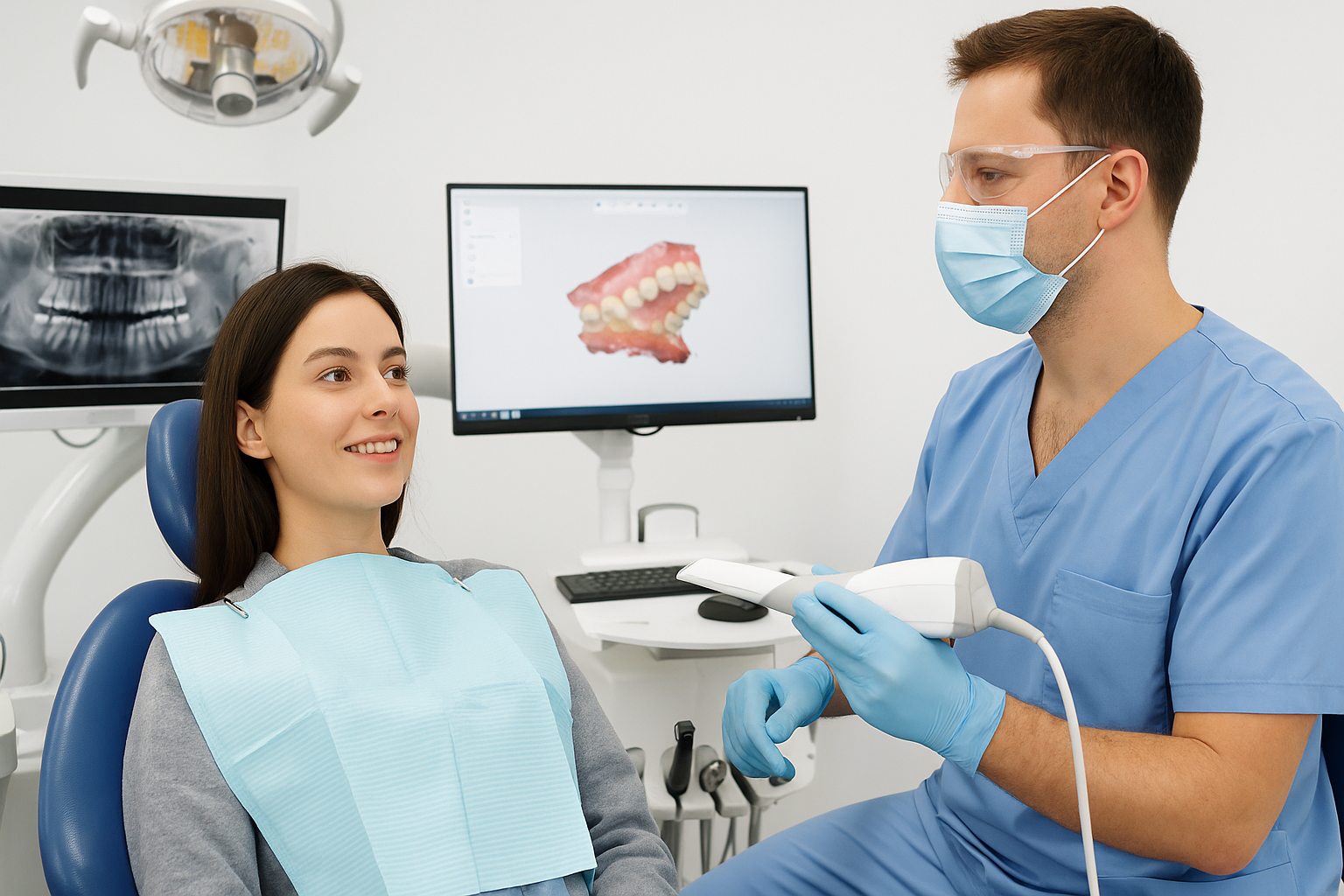
Routine dental exams in Thornton, Colorado can also help identify early signs of enamel wear before they become more serious.
3. Sipping Acidic Drinks Throughout the Day
Coffee, sparkling water, sports drinks, energy drinks, and even fruit-infused water can expose your teeth to acids for extended periods.
While enjoying these beverages occasionally is perfectly fine, sipping them over several hours continuously bathes your teeth in acid, increasing the risk of enamel erosion.
A helpful tip is to drink water afterward and wait about 30 minutes before brushing to allow your enamel time to recover.
4. Using Your Teeth as Tools
Opening packages, tearing tape, biting fingernails, or holding objects with your teeth may seem convenient, but these habits place unnecessary stress on your enamel.
Your teeth were designed for chewing food—not replacing scissors or bottle openers.
Even a single awkward bite can result in a chipped tooth requiring restorative treatment.
5. Grinding Your Teeth While You Sleep
Many people grind or clench their teeth without realizing it.
Nighttime grinding, also known as bruxism, can flatten teeth, create tiny fractures, and even contribute to jaw pain and headaches. Stress is one of the most common causes, making this habit increasingly common.
If you frequently wake up with jaw soreness or headaches, speak with your dentist about possible solutions before long-term damage occurs.
6. Constant Snacking Gives Your Teeth Little Time to Recover
Every time you eat, bacteria in your mouth feed on leftover food particles and produce acids.
Frequent snacking means your teeth are constantly exposed to these acids, leaving little opportunity for saliva to neutralize them naturally.
Instead of grazing all day, try eating balanced meals and limiting sugary snacks between meals.
Regular preventive dentistry in Thornton, Colorado appointments can help monitor areas that may be at higher risk for decay.
7. Ignoring Dry Mouth
Saliva does much more than keep your mouth comfortable. It helps wash away bacteria, neutralize acids, and strengthen enamel.
Dry mouth can be caused by medications, dehydration, certain medical conditions, or even mouth breathing while sleeping.
Without enough saliva, your risk for cavities increases significantly.
Staying hydrated and discussing persistent dry mouth with your dental provider can help protect your smile.
8. Skipping Regular Dental Visits
Many dental problems begin quietly. Small cavities, early gum disease, or tiny cracks often develop without pain until they become much larger issues.
Routine family dentist in Thornton, Colorado visits allow these concerns to be detected early, often making treatment simpler, faster, and more affordable.
Preventive care is one of the easiest ways to extend the life of your natural teeth.
9. Delaying Small Dental Problems
It's easy to postpone treatment when a tooth isn't hurting. However, small problems rarely stay small.
A minor cavity can eventually require a larger filling, root canal therapy, or even tooth replacement if left untreated.
Seeking care early often preserves more of your natural tooth structure and helps avoid more complex procedures later.
If damage has already occurred, treatments like dental fillings in Thornton, Colorado or dental implants in Thornton, Colorado may help restore your smile depending on your individual needs.
Small Habits Today Can Protect Your Smile Tomorrow
Your teeth work hard every day, and the small choices you make can have a lasting impact on their health. While aging is natural, many of the most common causes of tooth wear are completely preventable.
By avoiding damaging habits, practicing good oral hygiene, and scheduling regular dental checkups, you can help your smile stay healthy and strong for decades to come.
If it's been a while since your last visit, the team at Valley View Dental is here to help. Whether you need a routine cleaning, preventive care, or treatment for worn or damaged teeth, we're committed to providing comfortable, personalized care for every member of your family.